
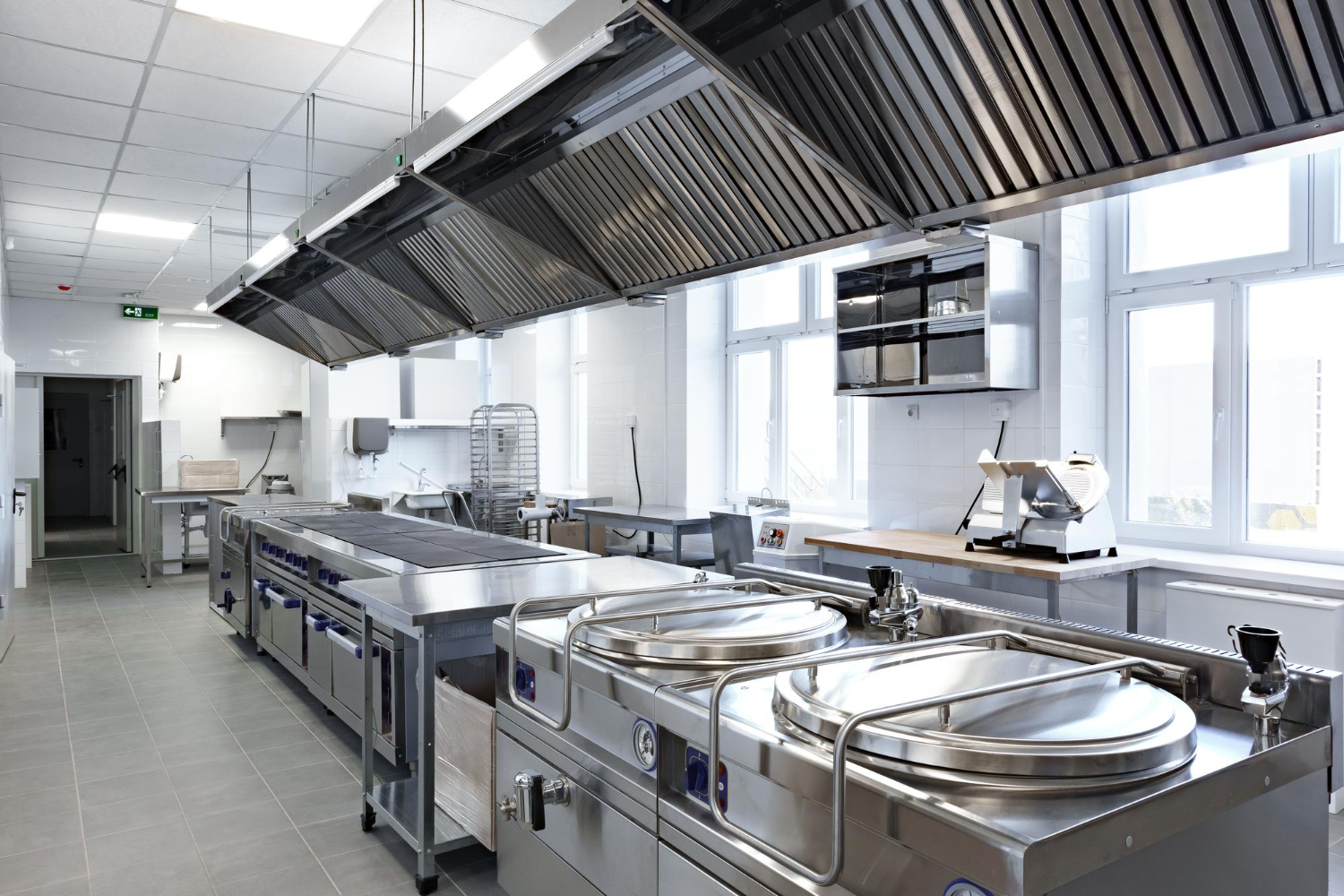
Food grade stainless steel is one of the most widely used materials in food processing, commercial kitchens, beverage systems, storage equipment, and hygienic fabrication. It is valued because it offers strong corrosion resistance, good chemical stability, durability, and a surface that is easy to clean.
When stainless steel is used in food-related environments, choosing the right material matters. The wrong grade can lead to avoidable rust, more difficult cleaning, shorter service life, and higher maintenance costs. That is why it is important to understand what food grade stainless steel really means, how the common grades differ, and what to look for when choosing a supplier.
At Kentzu Steel, we believe buyers should understand the practical side of material selection before making a decision. Here are the 6 things you need to know about food grade stainless steel.
-
What food grade stainless steel actually means
Food grade stainless steel is stainless steel selected for food contact and food processing because it offers the right balance of corrosion resistance, durability, chemical stability, and cleanability.
In food-related environments, stainless steel may be exposed to water, heat, steam, acidic ingredients, salt, oils, and frequent cleaning. The material must be able to maintain its performance without easily corroding, becoming difficult to clean, or affecting hygiene standards. That is why food grade stainless steel is commonly used in kitchen equipment, food preparation surfaces, processing lines, tanks, trays, counters, and other applications where cleanliness and reliability matter.
In simple terms, food grade stainless steel is chosen because it is strong, hygienic, and suitable for environments where food safety and long-term performance are important.
-
Not all stainless steel is automatically suitable for food applications
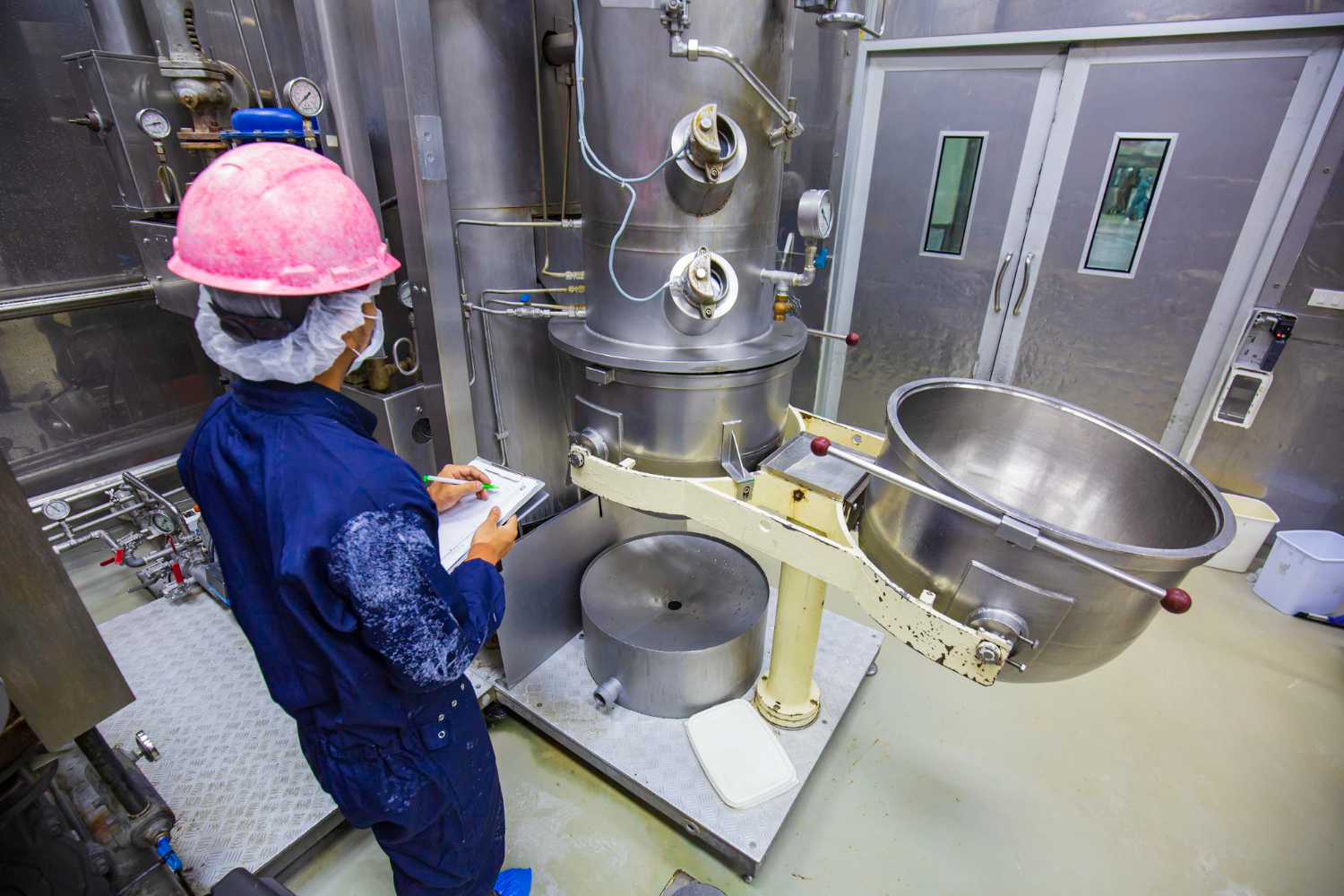
Many people assume that all stainless steel is the same, but that is not true. Stainless steel is a broad category with many different grades, and each grade is designed for different conditions and uses.
Some stainless steel grades are more suitable for structural, decorative, or light industrial use. Others are better suited for hygienic applications because they offer stronger corrosion resistance and better cleanability. A stainless steel product may look similar on the surface, but that does not mean every grade will perform equally well in food processing, beverage handling, kitchen fabrication, or washdown heavy environments.
That is why it is not enough to simply ask for stainless steel. When sourcing material for food related use, it is important to consider the right grade, finish, form, and specification based on the actual operating environment.
-
304 and 316 are the most common food grade stainless steel grades
When people talk about food grade stainless steel, the two grades most often discussed are 304 and 316. Both are widely used in food related applications because they offer good corrosion resistance, durability, and cleanability, but they are designed for different levels of exposure and operating conditions.
304 stainless steel
304 is one of the most commonly used stainless steel grades for food related applications. It is often chosen for kitchen equipment, food preparation areas, sinks, counters, storage systems, and general food processing because it offers a good balance of performance, formability, and cost effectiveness.
For many general indoor food environments, 304 is a reliable and practical choice.
316 stainless steel
316 stainless steel contains molybdenum, which gives it stronger resistance to pitting and crevice corrosion. This makes it more suitable for harsher environments where the material may be exposed to salt, chlorides, acidic ingredients, or more demanding cleaning conditions.
316 is often preferred for applications such as seafood processing, acidic food production, beverage systems, and environments with more aggressive washdown routines.
Quick comparison table: 304 vs 316 food grade stainless steel
| Grade | Best for | Corrosion resistance | Exposure to salt or acids | Cost level | Common use |
| 304 | General food applications | Good | Moderate | More cost effective | Kitchens, food preparation, equipment, counters |
| 316 | More demanding food environments | Higher | Better | Higher | Seafood, acidic products, beverage systems, washdown heavy applications |
A simple way to understand the difference is this:
- 304 is the common all round choice for many general food applications
- 316 is the stronger option when corrosion risk is higher
If you would like a more detailed comparison, you can also read our guide on stainless steel 304 vs 316 differences and uses.
-
Corrosion resistance is one of the biggest reasons food grade stainless steel matters
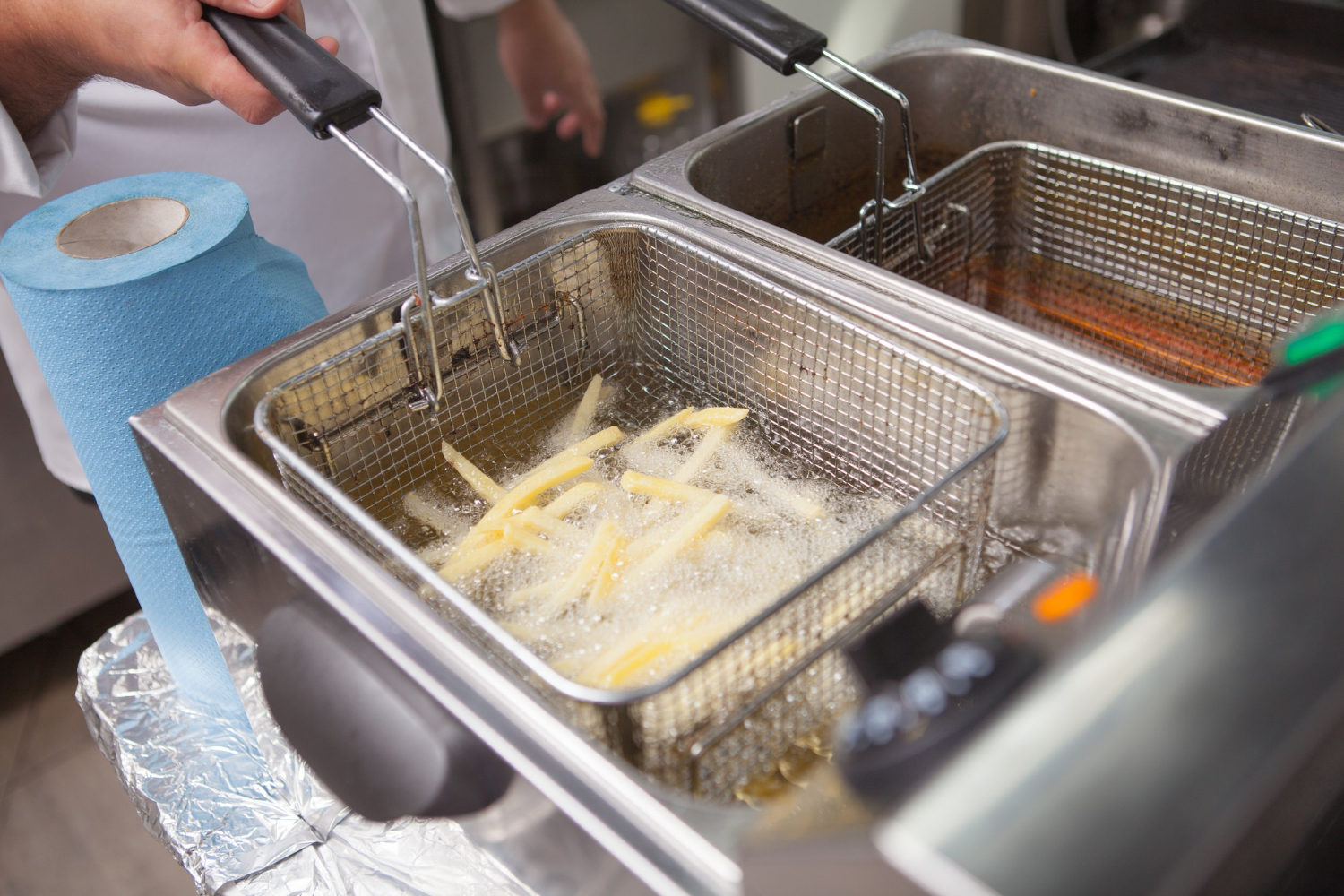
One of the main reasons food grade stainless steel is widely used is because it offers strong corrosion resistance. In food-related environments, the material may be exposed to water, steam, organic acids, salt, cleaning chemicals, and repeated washing. If the wrong material is used, the surface may deteriorate faster, leading to staining, rust, pitting, and hygiene concerns.
This is why corrosion resistance should never be overlooked when selecting stainless steel for food use.
For example, a dry indoor preparation area may be suitable for 304, while a processing line exposed to salty ingredients or more aggressive cleaning routines may require the stronger corrosion resistance of 316. This becomes even more important in environments with higher humidity or coastal influence.
For businesses in Malaysia, this point is especially relevant. Heat, humidity, frequent washdown, and certain industrial conditions can all affect how stainless steel performs over time. Choosing the right food grade stainless steel from the beginning helps reduce maintenance issues and supports better long term value.
-
Surface finish affects hygiene and cleanability
Choosing the right grade is important, but grade alone is not the full story. Surface finish also plays a major role in hygiene and cleanability.
A smoother stainless steel surface is generally easier to clean and less likely to trap food residue, moisture, or contaminants. In hygienic applications, this matters because performance depends not only on the alloy itself, but also on how the material is finished and fabricated.
A well finished surface can help with:
- easier cleaning
- better hygiene control
- less residue build up
- improved appearance
- better long term performance
This is why food grade stainless steel should be selected with both grade and finish in mind. If the application involves direct food contact, frequent cleaning, or strict hygiene requirements, the finish of the material should be part of the discussion from the beginning.
-
Choosing the right supplier is just as important as choosing the right grade
Even if you know that you need food grade stainless steel, you still need a supplier who understands your application and can recommend the right solution.
A good supplier should do more than simply quote stainless steel by grade number. They should help you consider:
- the intended use
- the operating environment
- the right grade and finish
- the right dimensions and form
- whether customisation is needed
This is where supplier experience matters. Food grade stainless steel is often used in projects where hygiene, durability, and long term reliability are critical. Working with a knowledgeable supplier helps reduce the risk of ordering the wrong material and gives you more confidence in the final result.
At Kentzu Steel, we do more than supply stainless steel. We help customers choose stainless steel solutions based on actual project requirements. Whether you need standard supply or a more customised specification, our team can support you with professional advice and practical recommendations.
Why customised food grade stainless steel solutions matter
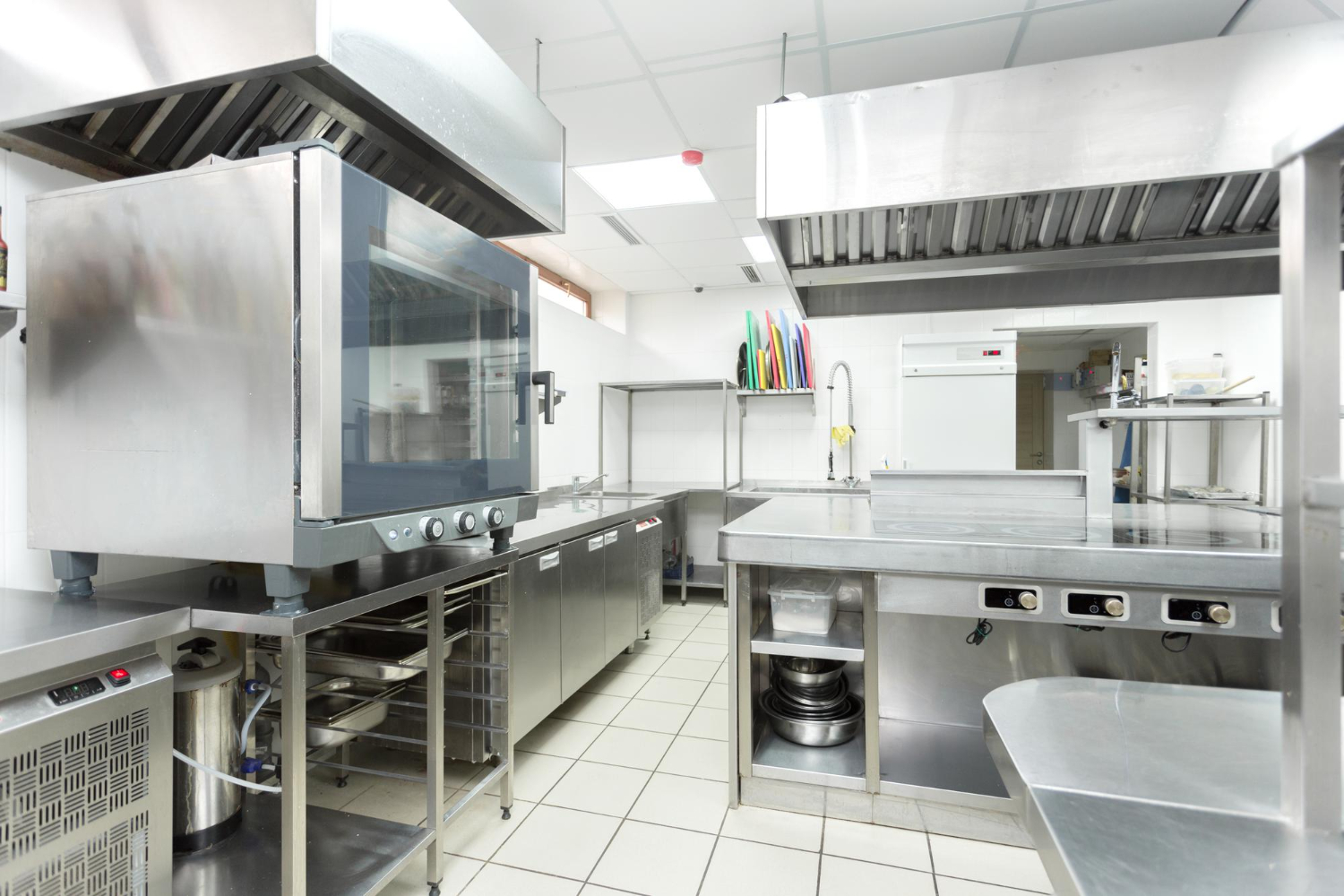
Many food related projects cannot rely on standard off the shelf materials alone. Some require specific dimensions, thicknesses, finishes, or product forms to suit equipment design, production flow, hygiene requirements, or space constraints.
A customised food grade stainless steel solution can help you:
- match the material to the actual application
- avoid overpaying for the wrong grade
- improve fit and fabrication efficiency
- support hygiene and easier maintenance
- reduce material waste and procurement issues
Kentzu Steel offers customised stainless steel solutions based on actual project requirements. If you need food grade stainless steel for food processing equipment, kitchen fabrication, industrial use, or other specialised applications, our team can help you identify the right specification for the job.
Final thoughts
Food grade stainless steel is widely used because it is strong, hygienic, corrosion resistant, and suitable for demanding food related environments. But choosing the right material goes beyond simply asking for stainless steel. You need to understand what food grade stainless steel means, how the common grades differ, why corrosion resistance matters, how surface finish affects hygiene, and why the right supplier makes a difference.
By understanding these 6 key points, you can make a more confident decision and choose a stainless steel solution that delivers the right performance for your needs.
Need Help Choosing the Right Food Grade Stainless Steel for Your Project?

If you are unsure whether 304 or 316 food grade stainless steel is the right choice for your application, Kentzu Steel is here to help.
As a trusted stainless steel supplier, we help customers choose the right grade, product form, finish, and specifications based on actual project requirements. Whether you need food grade stainless steel for food processing equipment, commercial kitchen use, beverage systems, or hygienic fabrication, our team can recommend a suitable solution for performance, hygiene, and cost efficiency.
We also offer customised stainless steel solutions to match your required dimensions, thickness, finish, and service environment. With support for customers across Malaysia, East Malaysia, ASEAN, and global markets, Kentzu Steel is ready to help you source the right food grade stainless steel solution for your project.
Contact Kentzu Steel today to discuss your requirements or request technical support for your next project.
FAQ
1. What is food grade stainless steel?
Food grade stainless steel is stainless steel selected for food contact and food processing because it offers corrosion resistance, chemical stability, durability, and easy cleanability.
2. Is all stainless steel food grade?
No. Stainless steel includes many different grades, and not all of them are equally suitable for food related applications. The right choice depends on the operating environment and hygiene requirements.
3. Is 304 stainless steel food grade?
Yes. 304 stainless steel is widely used in food related applications such as kitchen equipment, food preparation areas, sinks, counters, and general food processing environments.
4. Is 316 better than 304 for food grade use?
316 is not always better in every situation, but it performs better in more aggressive environments. It is often preferred when the application involves salt, chlorides, acidic food products, or harsher cleaning conditions.
5. Why does surface finish matter for food grade stainless steel?
Surface finish matters because smoother surfaces are easier to clean and less likely to trap residue or contaminants. In hygienic applications, finish can affect cleanability just as much as grade selection.
6. How do I choose the right food grade stainless steel supplier?
Choose a supplier that understands your application and can guide you on grade, finish, form, and customisation requirements. A good supplier should help you match the material to the operating environment instead of only quoting by grade number.
