
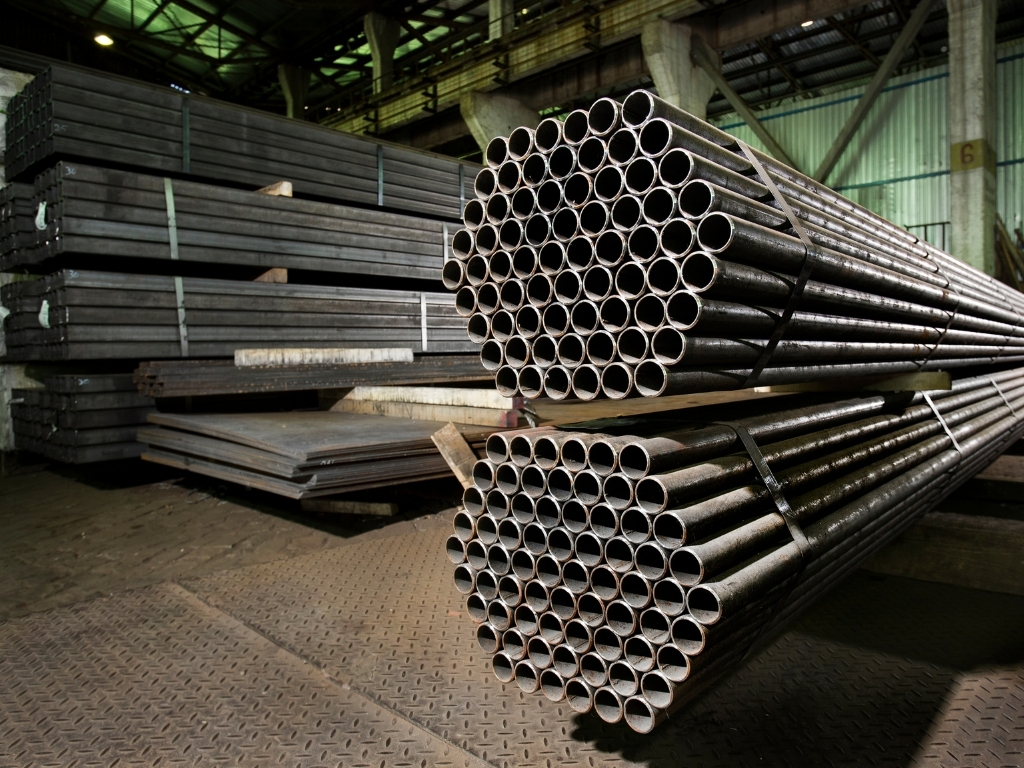
Austenitic stainless steel is one of the most commonly used materials in various industries, known for its excellent toughness, corrosion resistance, and versatility. It is particularly valued for its non-magnetic properties, making it ideal for applications where magnetic interference is a concern, such as in electronics and medical equipment. The unique crystal structure of austenitic stainless steel, specifically the face-centered cubic (FCC) arrangement, plays a crucial role in its ability to withstand harsh conditions while maintaining strength and flexibility.
This article will explore the key features of austenitic stainless steel, including its crystal structure, popular grades like 304 and 316, and its diverse applications across industries. Whether you’re considering austenitic stainless steel for a new project or simply looking to understand its properties better, this guide provides a comprehensive overview of why it’s one of the most reliable and widely used materials in the world today.
What Is Austenitic Stainless Steel?
Austenitic stainless steel is a corrosion-resistant and durable material commonly used in various industries for its superior properties. Known for its non-magnetic nature, excellent ductility, and resistance to rust, it’s a go-to choice for many applications requiring robust, long-lasting materials.
Austenitic stainless steel is composed primarily of iron, chromium (16-26%), and nickel (typically 6-35% across the full austenitic family, with 300-series grades containing 8-22%). This alloy composition enhances its resistance to oxidation and makes it versatile in industries ranging from food processing to medical devices.
Crystal Structure of Austenitic Stainless Steel
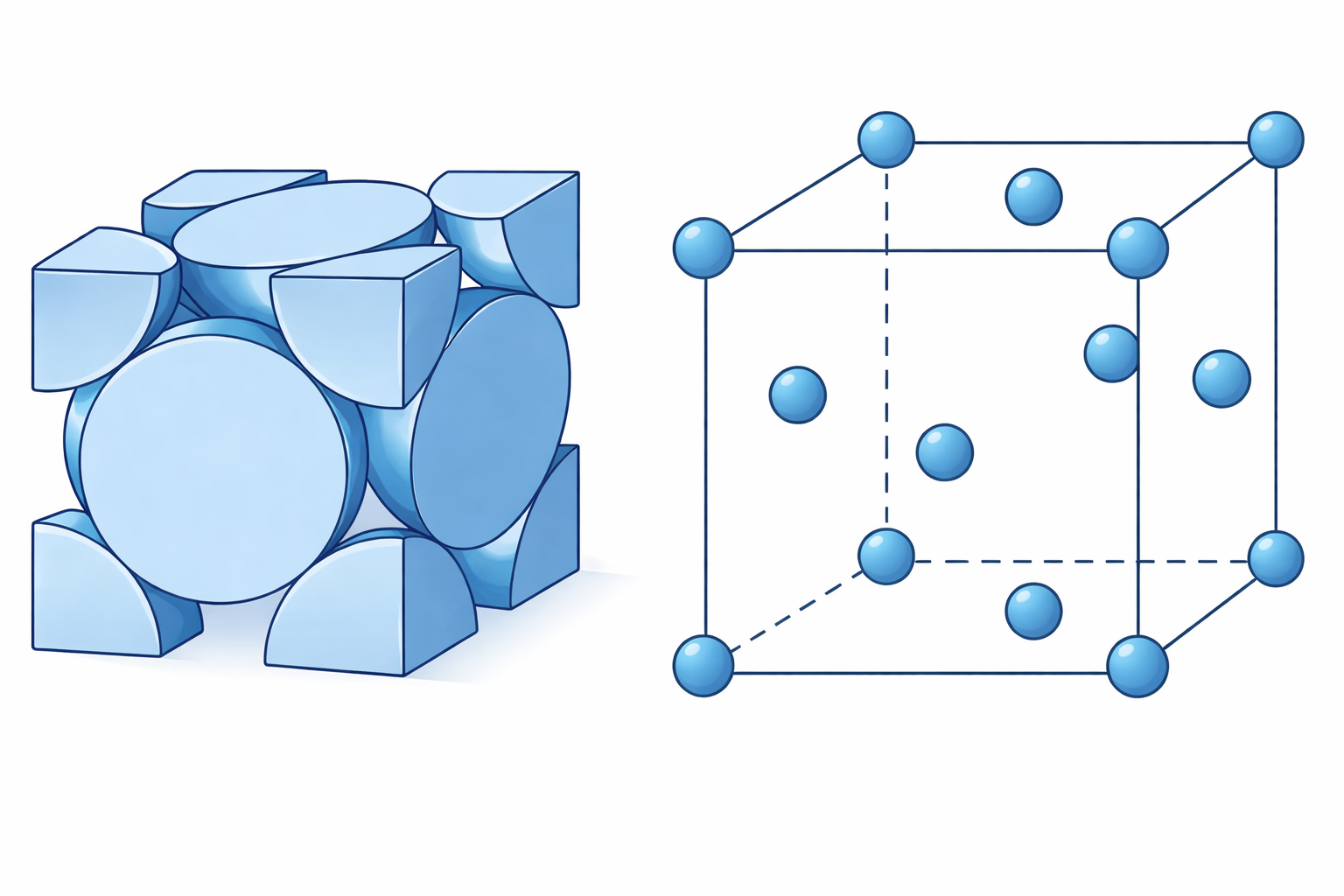
The defining feature of austenitic stainless steel is its face-centered cubic (FCC) crystal structure. This arrangement allows the material to be both strong and highly ductile, making it easy to form and weld. The unique structure plays a crucial role in its resistance to corrosion and its non-magnetic properties.
Why Is It Non-Magnetic?
The face-centered cubic structure of austenitic stainless steel prevents the formation of magnetic domains, which is why it is non-magnetic. This feature is particularly beneficial in applications where magnetic properties can interfere with performance, such as in electronics and medical equipment.
However, it’s important to note that austenitic stainless steel can still exhibit slight magnetism under certain conditions, especially after work hardening. But generally, it remains non-magnetic compared to other stainless steel types like ferritic or martensitic steels.
Common Grades of Austenitic Stainless Steel
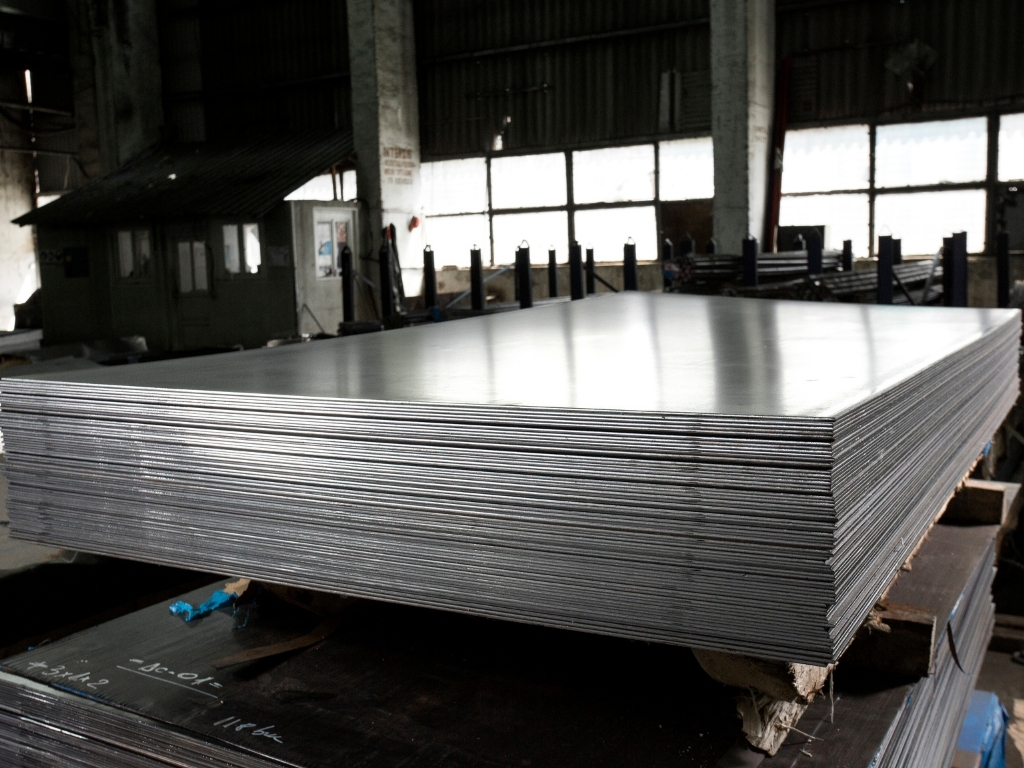
There are several grades of austenitic stainless steel, but the most common ones are 304 and 316. Each has unique properties and applications that make them suitable for different industries.
Grade 304
Grade 304 is the most widely used austenitic stainless steel. It contains 18% chromium and 8% nickel, which gives it excellent resistance to corrosion and oxidation. It is commonly used in kitchen appliances, food processing equipment, and architectural features due to its durability and easy weldability.
Grade 316
Grade 316 is similar to 304, but with the addition of 2-3% molybdenum, which increases its resistance to corrosion, especially in chloride-rich environments such as seawater. This grade is widely used in marine applications, medical devices, and chemical processing equipment. For more details on the differences between 304 and 316, check out this guide.
Advantages of Austenitic Stainless Steel
Austenitic stainless steel is favored for many reasons. Here are the top advantages that make it a popular material choice:
Corrosion Resistance
The high chromium content of austenitic stainless steel makes it highly resistant to corrosion. This property allows it to perform well even in harsh environments, such as marine and chemical industries. It is one of the most corrosion-resistant materials available.
Toughness and Ductility
Austenitic stainless steel offers excellent toughness and ductility, allowing it to withstand extreme conditions from cryogenic to high temperatures. While it has lower yield strength than ferritic or martensitic steels in the annealed condition (approximately 205 MPa for 304), it can be significantly strengthened through cold working and maintains superior impact resistance even at very low temperatures. This makes it ideal for applications requiring material flexibility and damage tolerance.
Formability and Weldability
This steel is easy to shape and weld, making it ideal for applications that require custom designs or complex shapes. It’s commonly used in industries like construction, where flexibility and ease of fabrication are crucial.
Aesthetic Appeal
Austenitic stainless steel offers a polished, clean look that is aesthetically pleasing. This is why it’s often used in visible components such as kitchenware, architectural facades, and decorative items.
Disadvantages of Austenitic Stainless Steel
Despite its many benefits, there are a few drawbacks to consider when choosing austenitic stainless steel for your project.
Higher Cost
Austenitic stainless steel is generally more expensive than other types of stainless steel, like ferritic or martensitic. This higher cost is due to its composition, which includes nickel and chromium, both of which are pricier elements.
Work Hardening
This type of stainless steel can undergo work hardening, which means it becomes stronger but more brittle when deformed or processed. This may require additional care when working with the material to avoid compromising its structural integrity.
Limited Creep Resistance at Extremely High Temperatures
While austenitic stainless steel performs well at temperatures up to around 870°C to 925°C (1,600°F to 1,700°F), its creep resistance (resistance to deformation under long-term stress at high temperatures) is limited compared to other high-temperature alloys.
Industries Using Austenitic Stainless Steel
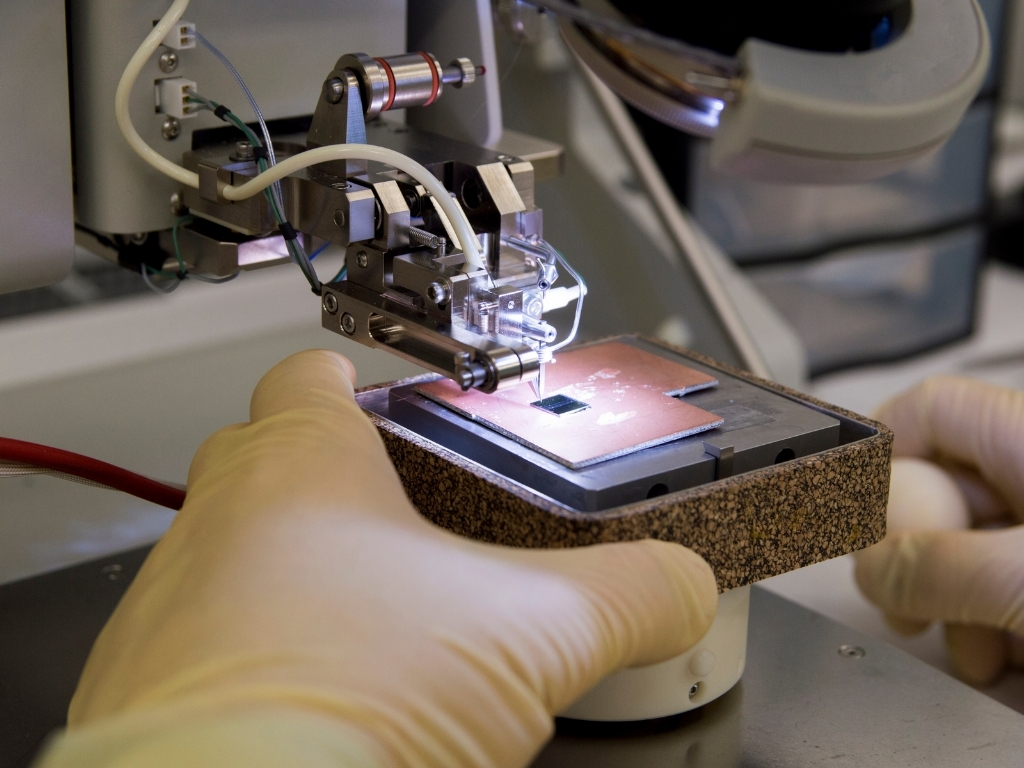
Austenitic stainless steel’s unique properties make it suitable for a wide range of industries. Here are some key sectors where it is commonly used:
-
Food and Beverage Industry
Austenitic stainless steel is widely used in food processing equipment, kitchen appliances, and storage tanks. Its resistance to corrosion, high temperatures, and easy-to-clean surface makes it ideal for handling food products, ensuring hygiene and safety standards are met.
-
Chemical and Petrochemical Industry
The corrosion resistance of austenitic stainless steel makes it perfect for chemical processing equipment, storage tanks, and piping systems exposed to harsh chemicals and high temperatures. It helps to prevent contamination and ensures structural integrity.
-
Medical and Pharmaceutical Industry
In medical and pharmaceutical applications, austenitic stainless steel is used in surgical instruments, implants, and medical devices. Its biocompatibility, durability, and resistance to corrosion and staining make it essential for sterile, long-lasting medical tools and equipment.
-
Marine Industry
Austenitic stainless steel is commonly used in the marine industry for shipbuilding, offshore structures, and equipment exposed to seawater. Its exceptional resistance to pitting, crevice corrosion, and saltwater environments ensures longevity and durability in harsh marine conditions.
-
Data Center Cooling Systems
Austenitic stainless steel is used in data center cooling systems for components like heat exchangers, piping, and cooling racks. Its excellent resistance to corrosion, particularly in humid or high-moisture environments, makes it a reliable choice for ensuring the longevity and efficiency of cooling equipment. Additionally, its thermal conductivity and structural integrity in high-temperature environments help maintain optimal operating conditions for servers and data systems.
-
Semiconductor Manufacturing
In semiconductor manufacturing, austenitic stainless steel is used for equipment like cleanroom furniture, wafer processing chambers, and components that need to withstand both corrosive chemicals and high temperatures. The material’s resistance to corrosion, non-reactivity, and cleanliness make it perfect for environments where precision, sterility, and durability are critical. Additionally, its ability to resist contamination is essential in producing high-quality semiconductors without risking the integrity of the process.
Conclusion
Austenitic stainless steel is a highly durable, corrosion-resistant material known for its excellent ductility, non-magnetic properties, and superior weldability. It is widely used in industries such as food processing, medical devices, marine environments, and chemical processing due to its versatility and long-lasting performance.
With its outstanding resistance to rust and ability to perform across a wide temperature range, austenitic stainless steel is the ideal choice for applications that require both reliability and durability. Whether you need excellent formability, corrosion resistance, or aesthetic appeal, austenitic stainless steel offers a solution that meets diverse industry needs.
Need Help Choosing the Right Austenitic Stainless Steel for Your Project?

If you’re unsure whether 304 or 316 austenitic stainless steel is the best fit for your application, Kentzu Steel is here to assist.
As a trusted stainless steel supplier, we offer a wide range of austenitic stainless steel products, including pipes, coils, sheets, plates, bars, hollow sections, channels, H-beams, and chequered plates. Our expert team will guide you in selecting the right grade, product form, and specifications based on your specific service environment and project needs.
Our stainless steel solutions are used across Malaysia, East Malaysia, ASEAN, and global markets, supporting industries like engineering, oil and gas, palm oil, energy, and construction.
Whether your project requires food processing, chemical exposure, marine conditions, data center infrastructure, or general fabrication, we ensure you receive the ideal material for performance and cost efficiency.
Contact Kentzu Steel today to discuss your requirements or request technical support for your next project.
FAQs
1. Why is austenitic stainless steel non-magnetic?
Its face-centered cubic (FCC) crystal structure results in paramagnetic behavior, making it essentially non-magnetic. However, it can become slightly magnetic after cold working due to strain-induced martensite formation.
2. Can austenitic stainless steel be used in high-temperature applications?
Grades 304 and 316 resist oxidation up to 870-925°C, though structural applications are typically limited to 700-815°C. For higher temperatures, specialized grades like 309 and 310 are recommended.
3. Is austenitic stainless steel more expensive than other types?
Yes, due to the higher cost of elements like nickel and chromium, austenitic stainless steel is typically more expensive than ferritic or martensitic steel.
4. What industries commonly use austenitic stainless steel?
Austenitic stainless steel is widely used in the food industry, construction, medical, chemical processing, semiconductor manufacturing, data centers, and various other sectors requiring durable and corrosion-resistant materials.
