Stainless steel 304 and 316 are the two most widely used austenitic stainless steel grades in the world. They are commonly specified across industries such as construction, food processing, chemical manufacturing, marine engineering, pharmaceuticals, and general fabrication.
At first glance, these two grades appear very similar. However, their performance can differ significantly depending on service environment, exposure conditions, and application requirements. Selecting the wrong grade may result in corrosion, reduced service life, or unnecessary material cost.
This article provides a clear comparison of stainless steel 304 vs 316, explains where each grade is best used across different stainless steel products, and helps you determine which grade is the right choice for your project.
Introduction to 304 and 316 Stainless Steel
Both 304 and 316 stainless steels belong to the austenitic stainless steel family, characterized by a face-centered cubic (FCC) crystal structure. This structure gives these grades excellent formability, toughness, and weldability.
In piping applications, these materials are commonly supplied under ASTM A312 specifications for seamless and welded stainless steel pipes, while plates, sheets, bars, and structural sections are governed by other relevant ASTM, EN, or JIS standards depending on product form.
The fundamental difference between 304 and 316 stainless steel lies in their chemical composition, particularly the addition of molybdenum in 316, which significantly improves resistance to pitting and crevice corrosion in chloride-containing environments.
In the fully annealed condition, both grades:
- Retain their austenitic structure at room temperature
- Are essentially non-magnetic
- Cannot be hardened by heat treatment
Strength improvements are achieved only through cold working. Cold work or welding may introduce slight magnetism, but this does not affect corrosion performance.
Both grades maintain excellent toughness and ductility over a wide temperature range, from cryogenic conditions to elevated service temperatures, making them suitable for demanding industrial applications.
What Is 304 Stainless Steel?
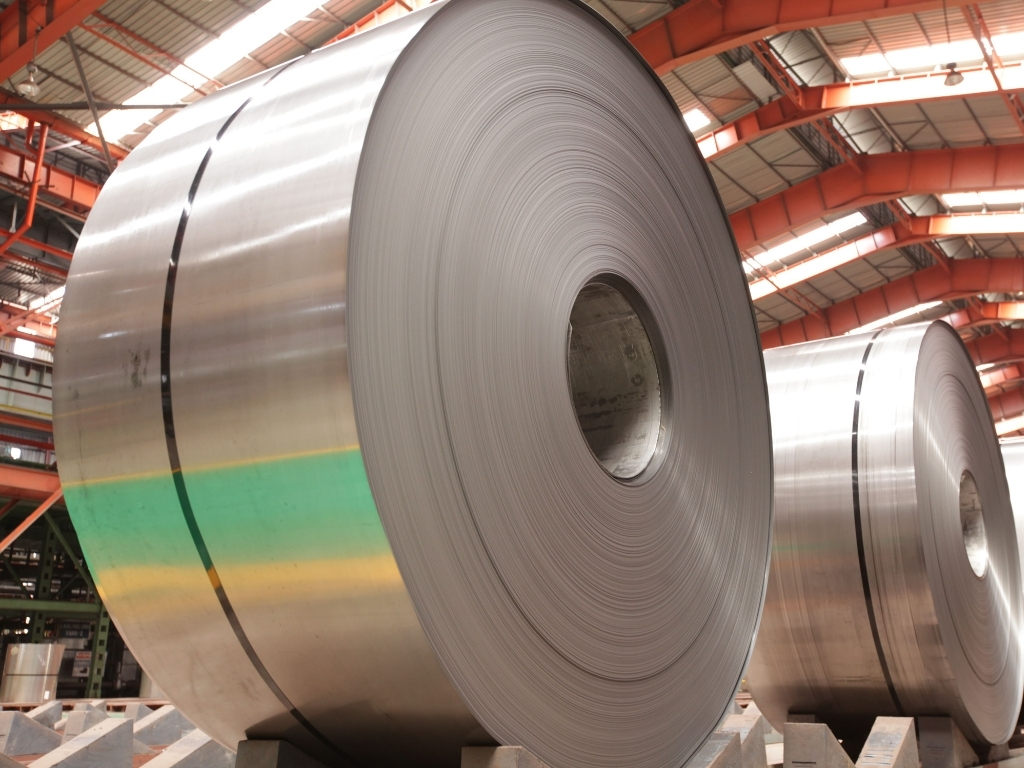
304 stainless steel, designated as UNS S30400, is the most commonly used austenitic stainless steel. It is often referred to as 18/8 stainless steel due to its typical chromium and nickel content.
Typical Chemical Composition (Approximate)
- Chromium: 18–20%
- Nickel: 8–10.5%
- Carbon: ≤ 0.08%
- Molybdenum: None
Chromium provides corrosion resistance by forming a passive oxide layer, while nickel enhances toughness, ductility, and stability of the austenitic structure.
The absence of molybdenum makes 304 more cost-effective, while still offering excellent corrosion resistance in most general environments.
Common 304 Stainless Steel Products
304 stainless steel is widely available in multiple product forms due to its excellent formability, weldability, and cost efficiency. Common products include:
- Seamless and welded stainless steel pipes for general industrial, water, and food-grade applications
- Coils, sheets, and plates for fabrication and manufacturing
- Angle bars, flat bars, round bars, and square bars for structural and machining use
- Hollow sections, channels, and H-beams for construction and support structures
- Chequered plates and materials for general fabrication and industrial applications
For the full range of 304 stainless steel products and forms, please refer to Kentzu Steel’s product listings.
What Is 316 Stainless Steel?
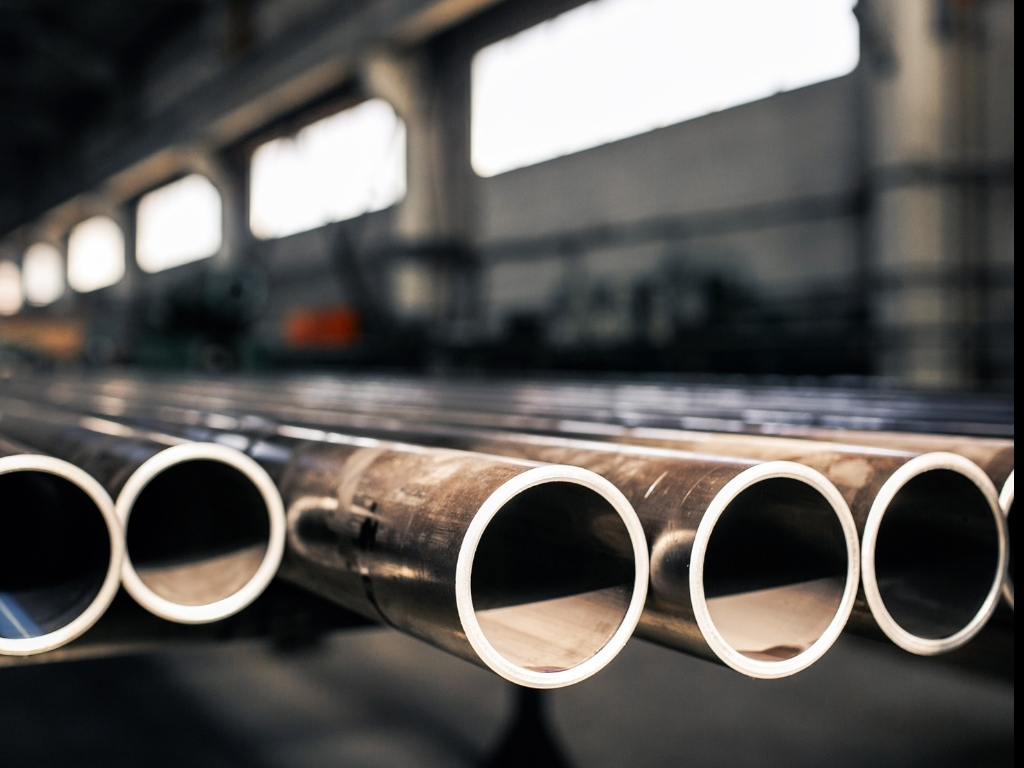
316 stainless steel, designated as UNS S31600, is commonly referred to as a marine-grade stainless steel. Its defining characteristic is the addition of molybdenum, which improves resistance to localized corrosion.
Typical Chemical Composition (Approximate)
- Chromium: 16–18%
- Nickel: 10–14%
- Molybdenum: 2–3%
- Carbon: ≤ 0.08%
Molybdenum significantly enhances resistance to pitting and crevice corrosion, particularly in chloride-rich environments such as seawater, coastal atmospheres, and certain chemical processes.
It is important to note that both 304 and 316 can be susceptible to chloride stress corrosion cracking (SCC) under specific combinations of temperature, stress, and chloride concentration.
Common 316 Stainless Steel Products
316 stainless steel is commonly supplied in product forms designed for enhanced corrosion resistance in aggressive environments. Typical products include:
- Seamless and welded stainless steel pipes for marine, chemical, and coastal service
- Sheets, plates, and coils for corrosive and high-hygiene applications
- Bars and structural sections for outdoor or chemical exposure
- Hollow sections, channels, and chequered plates for structural and industrial use
- Fabricated components for marine and demanding industrial applications
For the full range of 316 stainless steel products and forms, please refer to Kentzu Steel’s product listings.
Key Differences Between 304 and 316 Stainless Steel
1. Chemical Composition
316 contains molybdenum and typically a higher nickel range, improving resistance to chlorides compared to 304.
2. Corrosion Resistance
- 304: Excellent in mild, atmospheric, and low-chloride environments
- 316: Superior resistance in marine, coastal, and chemical environments
3. Mechanical Properties
Under most standards, 304 and 316 have comparable specified mechanical strength. Neither grade is inherently stronger; corrosion resistance is the main differentiator.
4. Temperature Performance
Both grades perform well at elevated temperatures within typical oxidation limits. For higher temperature strength and creep resistance, H-grades (304H or 316H) may be specified.
5. Cost
316 generally costs more due to molybdenum and higher nickel content.
Quick Comparison: 304 vs 316 Stainless Steel
| Property | 304 Stainless Steel | 316 Stainless Steel |
| Chromium | 18–20% | 16–18% |
| Nickel | 8–10.5% | 10–14% |
| Molybdenum | None | 2–3% |
| Corrosion resistance | Good | Excellent in chlorides |
| Strength (specified) | Comparable | Comparable |
| Temperature limit* | ~870°C intermittent | ~870°C intermittent |
| Cost | Lower | Higher |
| Typical uses | General, food, architectural | Marine, chemical, pharmaceutical |
Pros and Cons of 304 vs 316 Stainless Steel
304 Stainless Steel – Pros
- Lower cost
- Excellent general corrosion resistance
- Easy to form and weld
- Widely available
304 Stainless Steel – Cons
- Limited chloride resistance
- Not suitable for marine exposure
- Susceptible to pitting in certain conditions
316 Stainless Steel – Pros
- Superior chloride and chemical resistance
- Ideal for marine and coastal environments
- Longer service life in aggressive conditions
- Meets stringent hygienic standards
316 Stainless Steel – Cons
- Higher cost
- More difficult to machine
- Often over-specified for mild environments
Common Applications of 304 Stainless Steel

- Food and beverage processing in low-chloride service
- Brewing, dairy, and sanitary piping
- Automotive trim and exhaust components
- Building and construction (handrails, facades, supports)
- Household appliances and kitchen equipment
- HVAC systems and moderate-temperature heat exchangers
- General industrial piping for water and suitable chemicals
Common Applications of 316 Stainless Steel
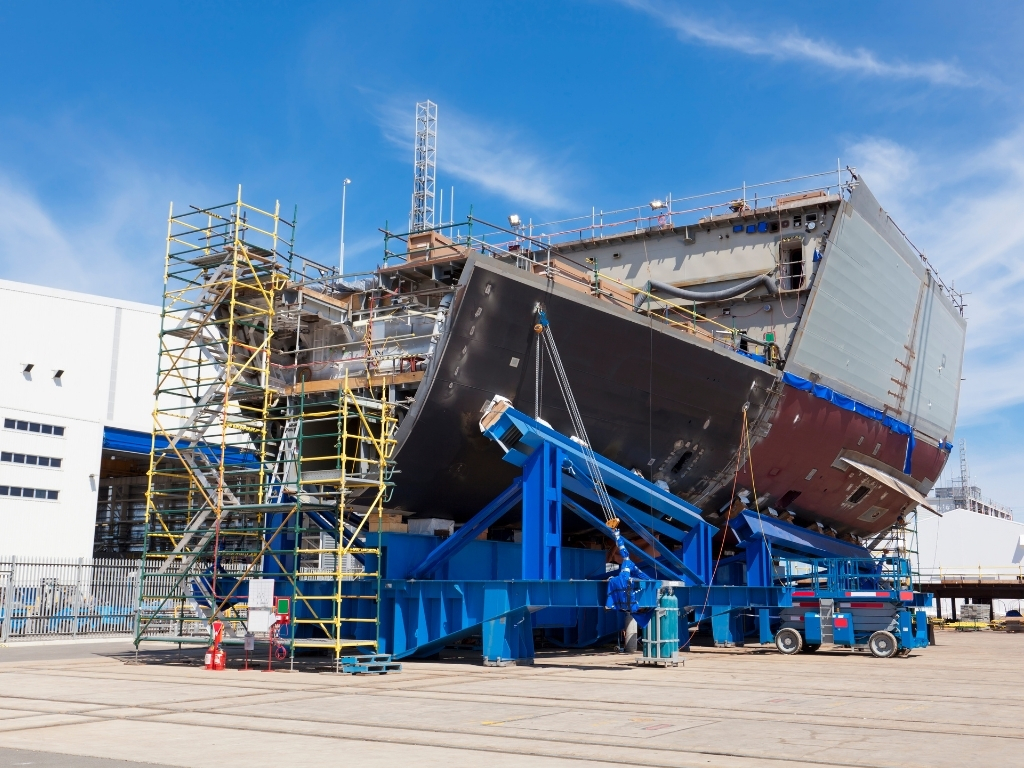
- Marine hardware, shipbuilding, and offshore platforms
- Chemical and petrochemical processing plants
- Pharmaceutical and biotechnology facilities
- Coastal and near-marine architectural structures
- Heat exchangers handling corrosive fluids
- Medical implants (316L / 316LVM)
- Industrial fabrication in aggressive environments
Price Differences Between 304 and 316 Stainless Steel
316 stainless steel typically costs more due to:
- Molybdenum content
- Higher nickel levels
Market conditions, alloy surcharges, and global nickel and molybdenum prices can significantly affect the price difference. When evaluating cost, total cost of ownership should be considered. In aggressive environments, 316 often provides lower long-term cost through extended service life and reduced maintenance.
How to Choose: 304 or 316 Stainless Steel?
Choose 304 stainless steel if:
- The environment is mild or indoor
- Chloride exposure is minimal
- Cost efficiency is a priority
Choose 316 stainless steel if:
- The environment is marine, coastal, or chemical
- Long-term corrosion resistance is critical
- Maintenance access is limited
Industry regulations, hygiene requirements, and applicable standards may also dictate grade selection.
Conclusion
Both 304 and 316 stainless steel deliver excellent performance when used in appropriate environments. The correct choice depends primarily on corrosion exposure, service conditions, and life-cycle economics.
304 offers strong value for general applications, while 316 provides the enhanced corrosion resistance required for aggressive environments. Aligning grade selection with actual service conditions ensures reliability, compliance, and cost efficiency.
Need Help Choosing the Right Stainless Steel Grade or Product?

If you’re unsure whether 304 or 316 stainless steel is the right choice for your application, Kentzu Steel is here to help.
As a stainless steel supplier offering a wide range of products including pipes, coils, sheets, plates, bars, hollow sections, channels, H-beams, and chequered plates, our team can assist you in selecting the appropriate grade, product form, and specification based on your service environment and project requirements.
Our stainless steel products are used across Malaysia, East Malaysia, ASEAN, and global markets, supporting the engineering, oil and gas, palm oil, energy, and construction sectors.
Whether your application involves general fabrication, structural use, food processing, chemical exposure, marine conditions, or data center infrastructure, we can help ensure you receive the right material for long-term performance and cost efficiency.
Contact Kentzu Steel today to discuss your requirements or request technical support for your next project.
FAQs
1: What is the main difference between 304 and 316 stainless steel?
The main difference between 304 and 316 stainless steel is the addition of molybdenum in 316. Molybdenum improves resistance to pitting and crevice corrosion, particularly in chloride-containing environments such as marine, coastal, and certain chemical applications. Both grades have similar mechanical properties under most standards.
2: Is 316 stainless steel stronger than 304?
No. Under common material standards, 304 and 316 stainless steel have comparable specified mechanical strength. 316 is not inherently stronger than 304; it is selected primarily for its improved corrosion resistance, not higher strength.
3: When should I choose 304 stainless steel instead of 316?
304 stainless steel is typically chosen for indoor or low-corrosion environments, where chloride exposure is minimal. It offers excellent corrosion resistance, good weldability, and lower cost, making it suitable for food processing equipment, architectural applications, and general industrial use.
4: Is 316 stainless steel suitable for marine and coastal environments?
Yes. 316 stainless steel is commonly specified for marine and coastal environments due to its improved resistance to chloride-induced pitting and crevice corrosion. However, under certain conditions involving high temperature, stress, and chlorides, it may still be susceptible to chloride stress corrosion cracking, which should be considered during material selection.
5: Can 304 and 316 stainless steel be hardened by heat treatment?
No. Both 304 and 316 stainless steels cannot be hardened by heat treatment. Strength improvements are achieved only through cold working. In the fully annealed condition, both grades remain austenitic and essentially non-magnetic.
6: How do I choose between 304 and 316 stainless steel for my project?
The choice depends on service environment, corrosion exposure, regulatory requirements, and life-cycle cost.
- Choose 304 for mild, non-chloride environments where cost efficiency is important.
- Choose 316 for marine, coastal, chemical, or aggressive environments where long-term corrosion resistance is critical.
