
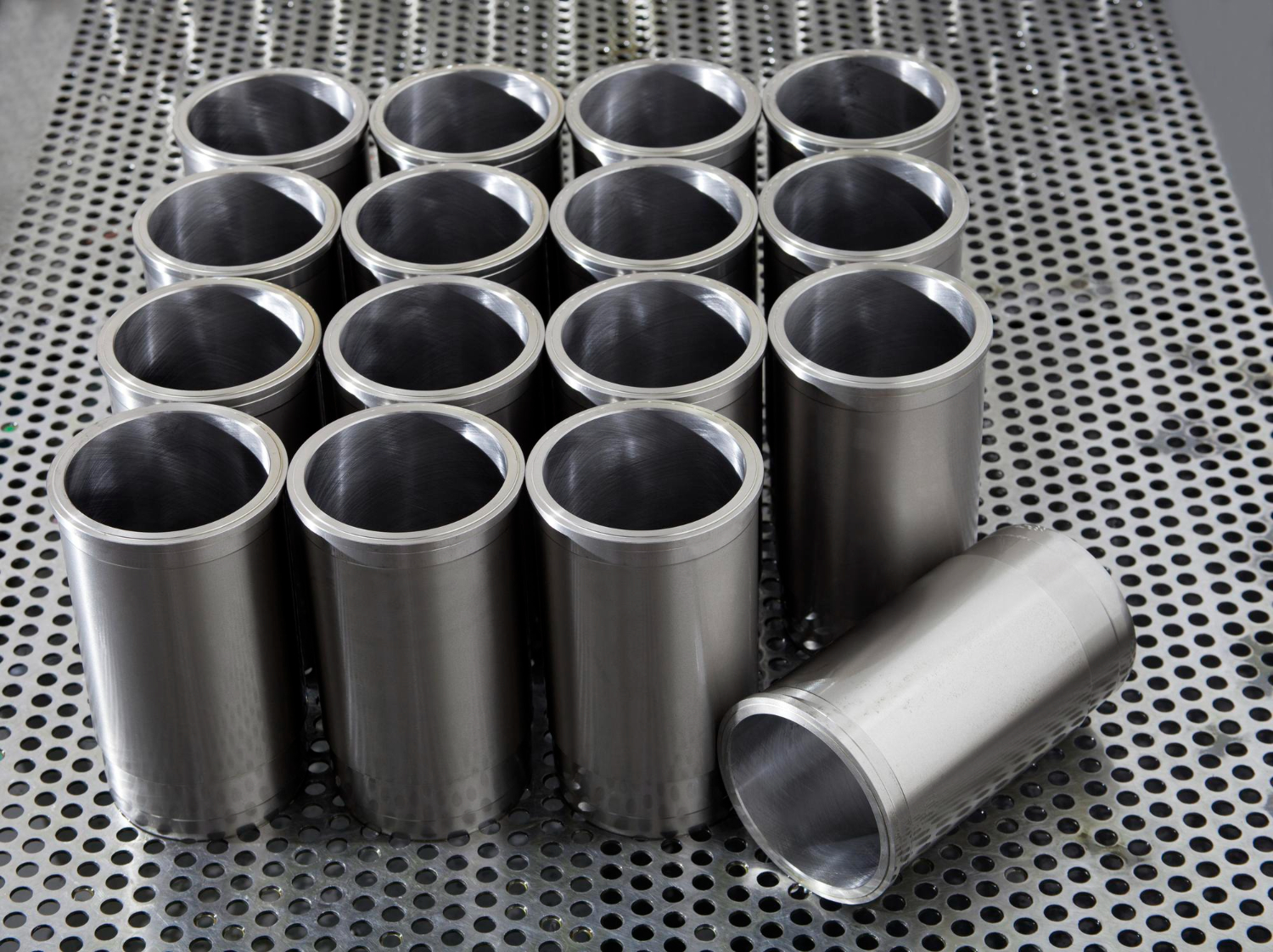
Stainless steel is a corrosion-resistant steel alloy used in construction, manufacturing, food processing, marine, chemical, oil and gas, architecture, data centre cooling systems, semiconductor facilities, heat-related equipment and general fabrication. For buyers, understanding stainless steel is important because not all grades perform the same way.
The right stainless steel depends on the application, environment, product form, finish, fabrication method and expected service life. A grade that works well indoors may not be suitable for coastal, marine, chemical or high-temperature environments. A cheaper option may also cost more in the long run if it corrodes, stains, cracks or needs replacement too early.
This guide explains what stainless steel is, whether stainless steel can rust, whether stainless steel is magnetic, what affects stainless steel price, and how you can choose the right grade with more confidence.
What Is Stainless Steel?
Stainless steel is a family of iron-based steel alloys that contain at least 10.5% chromium. Chromium is the key element that gives stainless steel its corrosion resistance by forming a thin protective surface layer.
In simple terms, stainless steel is steel designed to resist rust and staining better than ordinary mild steel or carbon steel.
The protective layer on stainless steel is called the passive layer. It is very thin, but it helps protect the metal underneath from corrosion. If the surface is scratched, the passive layer can often reform naturally when oxygen is available.
However, stainless steel is not one single material. It is a group of different grades with different properties. Some grades are made for general use. Some are made for welding. Some are made for coastal or marine exposure. Some are made for heat resistance, hardness or demanding industrial environments.
For buyers, the most important point is simple: stainless steel should be selected based on application, environment and performance requirement, not only based on price.
Why Buyers Choose Stainless Steel
Buyers choose stainless steel because it offers a strong balance of corrosion resistance, durability, hygiene, strength, appearance and long-term value.
Its main advantages include:
| Advantage | Why it matters to buyers |
| Corrosion resistance | Helps reduce rust, staining and material failure |
| Long service life | Can reduce replacement and maintenance cost |
| Hygienic surface | Suitable for food, beverage, medical and clean environments |
| Good strength | Useful for fabrication, machinery, tanks, pipework and structures |
| Clean appearance | Suitable for visible, decorative and architectural use |
| Lower maintenance | Often needs less repainting or coating than mild steel |
Stainless steel usually costs more upfront than mild steel. However, it can provide better lifetime value when corrosion resistance, downtime, cleaning, repainting and replacement cost are considered.
For a broader material comparison, you can read Kentzu Steel’s article on stainless steel compared with carbon steel, mild steel, aluminium, titanium and brass.
Can Stainless Steel Rust?
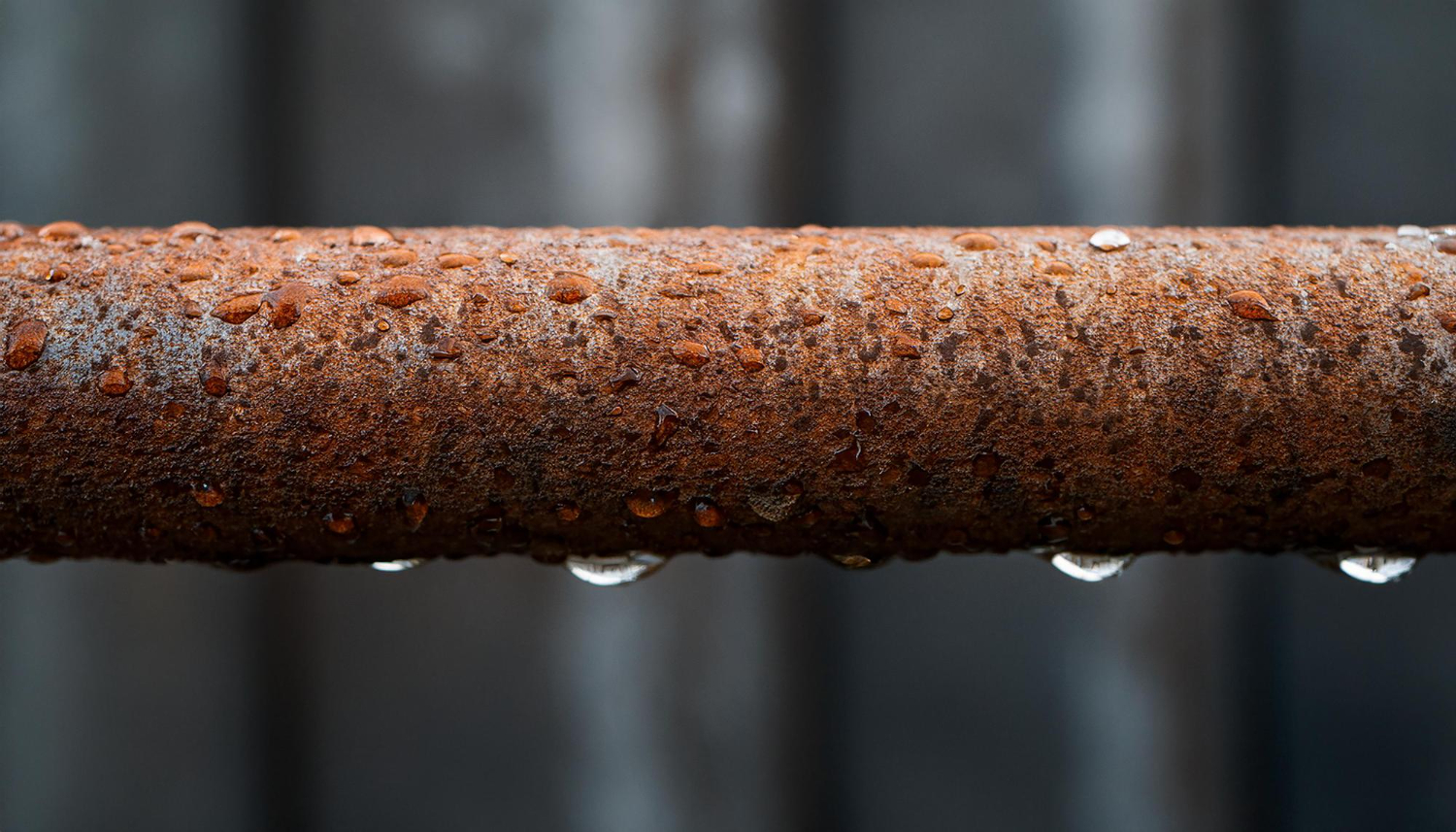
Yes, stainless steel can rust, but it is much more resistant to rust than ordinary steel. Stainless steel is corrosion-resistant, not completely rust-proof.
Rust, staining or corrosion can happen when the wrong grade is used, when the surface is contaminated, or when the material is exposed to salt, chlorides, bleach, strong chemicals, trapped moisture, poor drainage or poor cleaning practice.
This is especially important in Malaysia because many projects face tropical humidity, coastal air, frequent rain, industrial pollution, food processing washdown and chemical cleaning.
For example, 304 stainless steel may be suitable for many indoor and general-purpose applications. However, 316 or 316L may be more suitable for coastal, marine, seafood processing, chemical or high-chloride environments.
The word “stainless” means the steel stains less than ordinary steel. It does not mean the material can never stain, rust or corrode.
Is Stainless Steel Magnetic?
Some stainless steel is magnetic and some is not. Magnetism depends on the stainless steel family, grade and structure.
Austenitic grades such as 304 and 316 are usually non-magnetic or weakly magnetic. Ferritic, martensitic and duplex stainless steels are usually magnetic. The British Stainless Steel Association notes that ferritic and martensitic stainless steels are ferromagnetic and attract a magnet, while austenitic grades generally have much lower magnetic permeability.
A common misunderstanding is that magnetic stainless steel is fake. This is not true. Magnetic stainless steel can still be genuine stainless steel. It may simply be a ferritic, martensitic or duplex grade.
Another important point is that 304 and 316 can become slightly magnetic after bending, forming, cutting, welding or other cold working processes. This does not always mean the material is wrong.
For buyers, a magnet test should not be the only method used to confirm stainless steel grade. If grade accuracy is important, ask for material certificates, supplier confirmation or clear written specifications.
Main Types of Stainless Steel
Stainless steel is grouped into several families. Each family has different properties and common uses.
1. Austenitic Stainless Steel
Austenitic stainless steel is the most widely used stainless steel family. It includes common grades such as 304, 304L, 316 and 316L.
It is known for good corrosion resistance, good formability and good weldability. Austenitic grades are widely used in food equipment, tanks, pipework, kitchen equipment, chemical processing, architectural work and general fabrication.
Austenitic stainless steel is usually non-magnetic or only weakly magnetic. However, it can become slightly magnetic after cold working, bending or forming.
To understand this family in more detail, read Kentzu Steel’s guide to austenitic stainless steel and stainless steel 304 vs 316.
2. Ferritic Stainless Steel
Ferritic stainless steel is usually magnetic and often contains little or no nickel. This can make some ferritic grades more cost-stable compared with nickel-bearing austenitic grades.
Ferritic stainless steels are commonly used for appliances, decorative panels, automotive components, exhaust-related parts and indoor fittings. Examples include 430, 439 and 409L.
3. Martensitic Stainless Steel
Martensitic stainless steel is magnetic and can be hardened. It is used when hardness, strength or wear resistance is important.
Common applications include shafts, valves, pump parts, fasteners, tools, blades and mechanical components. Grades 410 and 420 are common martensitic stainless steels.
4. Duplex Stainless Steel
Duplex stainless steel has a mixed austenitic and ferritic structure. It usually offers higher strength than common austenitic grades and performs well in many demanding chloride-containing environments.
Duplex 2205 / UNS S31803 is commonly used in marine, oil and gas, chemical processing, pressure vessels, heat exchangers, tanks and industrial piping. Duplex stainless steels are generally magnetic because of their ferritic content.
5. Heat-Resistant Stainless Steel
Some stainless steels are selected mainly for high-temperature performance rather than general corrosion resistance. 253MA, also known by UNS S30815, is a heat-resistant austenitic stainless steel used in furnaces, kilns, burners and high-temperature process equipment. It is commonly selected for oxidation and creep resistance at elevated temperatures, with published grade data describing use up to around 1150°C depending on service conditions.
Common Stainless Steel Grades Buyers Should Know
Stainless steel grade selection should be based on application, environment, fabrication method, temperature and required performance. The table below gives buyers a practical overview of common grades.
| Grade | Stainless Steel Family | Key Characteristics | Common Applications |
| 304 | Austenitic | Good all-round corrosion resistance, good weldability, good formability, widely available | Kitchen equipment, food equipment, tanks, panels, general fabrication, architectural use |
| 304L | Austenitic | Low-carbon version of 304, better resistance to weld-related sensitisation | Welded tanks, piping, food equipment, chemical containers, general fabrication |
| 316 | Austenitic | Contains molybdenum for better chloride and pitting resistance than 304 | Marine fittings, coastal structures, chemical equipment, food processing, medical equipment |
| 316L | Austenitic | Low-carbon version of 316, strong corrosion resistance and better welding suitability | Welded marine parts, chemical tanks, pharmaceutical equipment, food processing, coastal applications |
| 430 | Ferritic | Nickel-free or low-nickel grade, moderate corrosion resistance, good formability | Appliances, decorative panels, indoor fittings, kitchen backsplashes, trim |
| 439 | Ferritic | Titanium-stabilised ferritic grade with better weldability and corrosion resistance than 430 in selected uses | Automotive components, exhaust parts, appliance parts, heat-related components, mild outdoor use |
| 409L | Ferritic | Low-carbon, titanium-stabilised grade with useful heat and exhaust gas resistance | Automotive exhaust systems, mufflers, catalytic converter shells, heat shields |
| 410 | Martensitic | Heat-treatable, higher hardness and strength, moderate corrosion resistance | Shafts, fasteners, valves, pump parts, tools, blades, mechanical components |
| Duplex 2205 / UNS S31803 | Duplex | Higher strength than common austenitic grades, good resistance to chloride stress corrosion cracking, strong industrial performance | Marine structures, oil and gas, chemical processing, pressure vessels, industrial piping, tanks, heat exchangers |
| 253MA / UNS S30815 | Heat-resistant Austenitic | High-temperature oxidation resistance and good strength at elevated temperatures | Furnaces, kilns, burners, heat treatment equipment, high-temperature process parts |
The “L” in 304L and 316L means low carbon. Low-carbon stainless steel helps reduce the risk of sensitisation and intergranular corrosion after welding. Standard 304 and 316 can have higher maximum carbon content, while 304L and 316L are limited to lower carbon levels.
What Affects Stainless Steel Price?
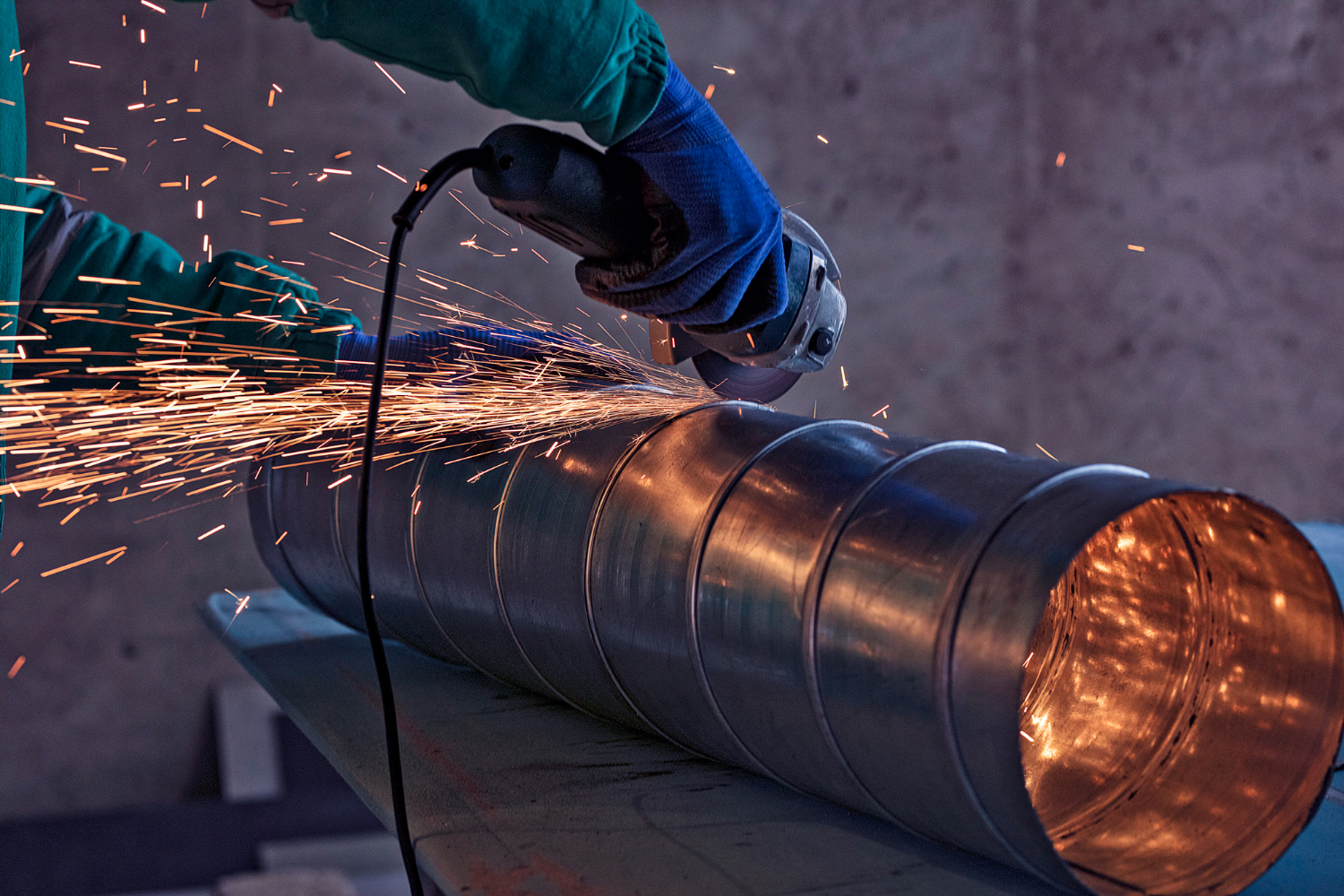
Stainless steel price depends on grade, alloy content, raw material cost, product form, thickness, size, finish, quantity, availability, processing requirements and delivery location.
The grade is one of the biggest price factors. 316 usually costs more than 304 because it contains molybdenum for improved chloride resistance. 304L and 316L may be selected for welded applications. Duplex 2205 / UNS S31803 and 253MA / UNS S30815 are more specialised grades and are usually priced according to availability, specification and project requirement.
Product form also affects price. Stainless steel sheet, plate, coil, pipe, tube, bar, hollow section and chequered plate are not priced the same way. Thickness, size, tolerance and surface finish can change the final cost.
A polished or special finish usually costs more than a standard industrial finish. Custom cutting, bending, polishing or fabrication can also add cost.
For accurate pricing, buyers should prepare:
- Grade, such as 304, 316L, 430, 409L or Duplex 2205 / UNS S31803
- Product form, such as sheet, plate, pipe, tube, bar or coil
- Thickness, diameter or dimensions
- Surface finish
- Quantity
- Application environment
- Required certification
- Delivery location
- Cutting or processing requirements
The clearer the enquiry, the more accurate the quotation.
Common Stainless Steel Product Forms
Stainless steel is supplied in many forms. Choosing the correct product form is just as important as choosing the correct grade.
Stainless Steel Sheet
Stainless steel sheet is commonly used for panels, kitchen equipment, covers, cabinets, enclosures, wall cladding, decorative work and light fabrication.
Stainless Steel Plate
Stainless steel plate is thicker and suitable for heavy-duty applications such as tanks, machinery, industrial platforms, structural parts and process equipment.
Stainless Steel Coil
Stainless steel coil is used in manufacturing, forming, stamping and continuous production. It is suitable for buyers who need material for larger-volume processing.
Stainless Steel Pipe and Tube
Stainless steel pipe and tube are used for fluid transfer, food processing, handrails, chemical lines, mechanical structures, hygienic systems and industrial piping.
Stainless Steel Bar
Stainless steel bar is used for shafts, fasteners, supports, fittings, machined parts and structural components.
Stainless Steel Hollow Section, Channel, Beam and Chequered Plate
These forms are commonly used in construction, platforms, supports, flooring, frameworks and industrial fabrication.
Kentzu Steel supplies a wide range of stainless steel products for fabrication, construction, industrial use and more. View the available stainless steel products to find a suitable option for your project.
Stainless Steel Applications in Malaysia and ASEAN
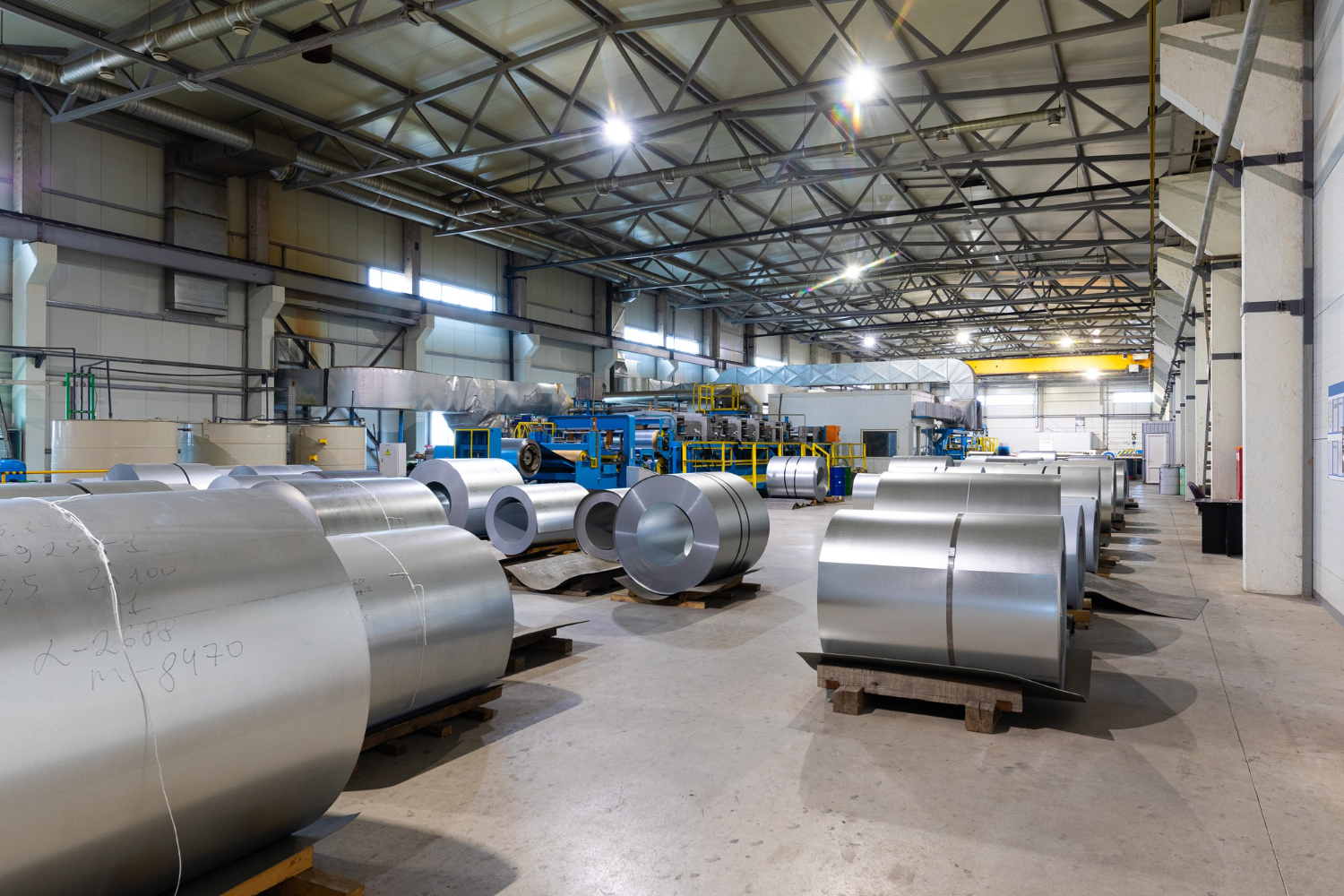
Stainless steel is widely used across Malaysia and ASEAN because the region has strong demand from construction, manufacturing, food processing, palm oil, oil and gas, marine, chemical, semiconductor, data centre cooling, infrastructure and heat-related industries.
In food and beverage, stainless steel is used for tables, tanks, conveyors, piping and commercial kitchen equipment. For food-related applications, Kentzu Steel’s article on food grade stainless steel explains more about food-safe material considerations.
In palm oil and oleochemical industries, stainless steel is used for tanks, platforms, process equipment and piping. In marine and coastal areas, stainless steel is used for railings, fittings, structures and equipment exposed to salt air. In construction, it is used for cladding, handrails, supports and architectural features.
Stainless steel also plays a role in semiconductor facilities, especially where corrosion resistance, cleanliness and reliable fabrication are required. Depending on the facility specification, stainless steel may be used for high-purity tubing, gas delivery lines, process piping, cleanroom-related equipment, support structures and selected chemical or utility systems.
For data centre cooling, stainless steel may be specified for chilled-water piping, liquid-cooling infrastructure, utility piping and cooling-related components where corrosion resistance, pressure capability and long-term reliability are important. The final material choice should consider water chemistry, coolant type, operating pressure, temperature, corrosion control and project requirements.
For high-temperature processes, heat-resistant grades such as 253MA may be considered for furnaces, kilns, burners and heat treatment equipment, depending on operating temperature and service conditions.
Malaysia’s tropical climate makes grade selection important. Humidity, coastal exposure and frequent rain can increase corrosion risk, especially when the wrong grade is selected or the surface is not maintained properly.
How to Choose the Right Stainless Steel
To choose the right stainless steel, match the grade, product form, thickness and finish to the actual application. The best choice is not always the most expensive grade, but the grade that fits the environment, performance requirement and budget.
-
Identify the application
Start by confirming what the stainless steel will be used for. A food processing tank, marine railing, data centre cooling pipe, machine shaft, decorative panel and furnace component may all require different grades.
-
Check the operating environment
Consider whether the material will be used indoors, outdoors, near the coast, in a marine environment, inside a chemical plant, in a food processing area or in a high-temperature process. Each environment has different corrosion, strength and durability requirements.
-
Understand what the material will contact
Check whether the stainless steel will come into contact with salt, seawater, acids, cleaning chemicals, food ingredients, industrial chemicals, high heat or treated water. These exposure conditions can affect whether 304, 304L, 316, 316L, Duplex 2205 / UNS S31803, 253MA or another grade is more suitable.
-
Consider fabrication requirements
Welding, cutting, bending, polishing and machining can affect the final surface condition and performance. If welding is required, low-carbon grades such as 304L or 316L may be considered depending on the corrosion environment and project specification.
-
Choose the right product form
Confirm whether the project needs stainless steel sheet, plate, coil, pipe, tube, bar, hollow section, channel, beam or chequered plate. The product form should match the design, load, installation method and fabrication process.
-
Confirm the size,thickness and finish
Before requesting a quotation, prepare the required thickness, diameter, length, width, surface finish and quantity. Surface finish matters for appearance, cleanability and some hygiene-related applications.
-
Check whether certification is needed
For industrial, food, marine, oil and gas, semiconductor, data centre cooling or engineering projects, material certification may be required. Confirm this early so the supplier can quote the correct material and documentation.
-
Request a quotation with complete information
A clear quotation request should include the grade, product form, size, thickness, finish, quantity, delivery location, certification requirement and application environment. The more complete the information, the easier it is to recommend and quote the right stainless steel.
Common Buying Mistakes to Avoid
-
Choosing only by price
The cheapest option may cost more later if it corrodes, stains, fails during fabrication or needs early replacement.
-
Assuming all stainless steel is the same
Grades such as 304, 316, 430, 439, 409L, 410, Duplex 2205 / UNS S31803 and 253MA / UNS S30815 have different purposes and performance levels.
-
Using the wrong grade for the environment
Indoor, coastal, marine, chemical, high-temperature and washdown environments may require different grades.
-
Relying only on a magnet test
Magnetic stainless steel is not automatically fake, and non-magnetic stainless steel is not automatically the correct grade.
-
Ignoring surface finish and fabrication
Finish, cutting, welding, bending, polishing and machining can affect appearance, cleanability and long-term performance.
-
Not checking documentation
For critical projects, clear specifications and material certificates help reduce the risk of receiving the wrong material.
Why Buy Stainless Steel from an Experienced Supplier?
An experienced stainless steel supplier helps buyers choose the right material based on grade, size, finish, product form and application environment.
This is important because many buying mistakes happen before the material is delivered. If the grade is not suitable, the problem may appear later as staining, corrosion, fabrication difficulty, heat damage, unexpected maintenance cost or early replacement.
Kentzu Steel supports buyers who need stainless steel materials for projects in Malaysia and the wider ASEAN region. Whether the requirement is for general fabrication, food processing, marine use, construction, chemical applications, heat-resistant equipment or industrial supply, proper material selection helps improve long-term performance.
Conclusion
Stainless steel is a corrosion-resistant steel alloy valued for durability, hygiene, strength, appearance and long service life. It is used across many industries because it performs better than ordinary steel in environments where corrosion resistance, cleanliness, strength or heat resistance matters.
For buyers, the key point is that stainless steel comes in many grades and product forms. It can rust in the wrong conditions. Some stainless steel is magnetic. Stainless steel price changes based on grade, alloy content, product form, thickness, finish, quantity and market conditions.
The best choice is the stainless steel grade that matches your application, environment, fabrication method and budget. When in doubt, work with an experienced stainless steel supplier who can help you choose the right material before you buy.
Need Help Choosing the Right Stainless Steel for Your Project?

Choosing the right stainless steel grade can be challenging, especially when your project involves corrosion exposure, welding, hygiene requirements, high temperature, marine conditions, data centre cooling, semiconductor facilities or general fabrication.
Kentzu Steel supplies a wide range of stainless steel products, including pipes, coils, sheets, plates, bars, hollow sections, channels, H-beams and chequered plates. Our team can help you choose the right grade, product form and specification based on your application, service environment and project requirements.
Our stainless steel solutions support projects across Malaysia, ASEAN and global markets, serving industries such as engineering, oil and gas, palm oil, energy, construction, food processing, marine, chemical processing, data centre infrastructure and semiconductor-related facilities.
Whether you need 304, 304L, 316, 316L, 430, 439, 409L, 410, or another stainless steel grade, Kentzu Steel can assist you in sourcing a suitable material for performance, reliability and cost efficiency.
Contact Kentzu Steel today to discuss your requirements or request technical support for your next project.
FAQ
1. What is stainless steel?
Stainless steel is a steel alloy that contains at least 10.5% chromium. The chromium forms a protective surface layer that helps the steel resist rust and corrosion better than ordinary steel.
2. Can stainless steel rust?
Yes, stainless steel can rust if the wrong grade is used or if it is exposed to harsh conditions such as salt, chlorides, chemicals, poor drainage or surface contamination. Choosing the right grade and maintaining the surface properly reduces this risk.
3. Is stainless steel magnetic?
Some stainless steel is magnetic and some is not. Austenitic grades such as 304 and 316 are usually non-magnetic or weakly magnetic, while ferritic, martensitic and duplex stainless steels are usually magnetic.
4. What affects stainless steel price?
Stainless steel price is affected by grade, alloy content, product form, thickness, size, finish, quantity, availability, processing requirements and delivery location.
5. Is 304 or 316 stainless steel better?
304 is suitable for many general applications, while 316 is better for coastal, marine, chemical and chloride-rich environments. The better choice depends on where and how the stainless steel will be used.
6. What is the difference between 304 and 304L stainless steel?
304L is the low-carbon version of 304 stainless steel. It is often preferred for welded fabrication because lower carbon content helps reduce the risk of weld-related corrosion problems.
7. What is the difference between 316 and 316L stainless steel?
316L is the low-carbon version of 316 stainless steel. It is commonly selected when both chloride resistance and welding performance are important.
8. What is Duplex 2205 / UNS S31803 used for?
Duplex 2205 / UNS S31803 is used for demanding applications that need higher strength and strong corrosion resistance. Common uses include marine structures, chemical processing, oil and gas, tanks, pressure vessels, heat exchangers and industrial piping.
9. What is 253MA stainless steel used for?
253MA / UNS S30815 is a heat-resistant stainless steel used for high-temperature applications such as furnaces, kilns, burners, heat treatment equipment and high-temperature process parts.
10. Why is stainless steel more expensive than mild steel?
Stainless steel usually costs more because it contains alloying elements such as chromium, nickel and sometimes molybdenum. However, it can offer better long-term value because it resists corrosion better and often requires less maintenance.
